


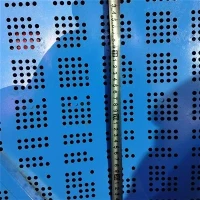

As a supplier of expanded fences, I've often been asked whether it's necessary to anchor an expanded fence firmly. This question isn't just a simple yes or no; it involves multiple factors that need careful consideration. In this blog, I'll delve into the importance of firmly anchoring expanded fences, the scenarios where it's crucial, and the potential consequences of neglecting this step.
First, let's understand what an expanded fence is. An expanded fence is a type of fencing made from expanded metal, which is created by slitting and stretching a metal sheet to form a diamond - shaped pattern. There are different types of expanded fences, such as PVC Coated Expanded Metal Fence, Galvanised Expanded Metal Fence, and Expanded Mesh Fence. These fences are known for their durability, affordability, and wide range of applications, from industrial sites to residential properties.
The Importance of Firm Anchoring
1. Structural Integrity
Firmly anchoring an expanded fence is essential for maintaining its structural integrity. When a fence is properly anchored, it can withstand various external forces. For example, in areas prone to high winds, a well - anchored fence is less likely to be blown over. The wind can exert significant pressure on the fence surface, and if the fence is not securely attached to the ground or support posts, it may collapse. This is especially true for larger or taller expanded fences, which have a greater surface area exposed to the wind.
In addition to wind, other natural forces like heavy rain and snow can also affect the fence. Snow accumulation on the fence can add extra weight, and if the fence is not firmly anchored, it may bend or break under the load. By ensuring a solid anchor, the fence can better distribute these forces and remain standing.
2. Security
For many applications, security is a top priority. A firmly anchored expanded fence acts as a reliable barrier, preventing unauthorized access. If a fence is not properly anchored, it can be easily pushed or pulled down by intruders. In industrial settings, where valuable equipment and materials are stored, a secure fence is crucial to protect against theft and vandalism. In residential areas, a well - anchored fence provides peace of mind for homeowners, knowing that their property is protected.
3. Longevity
Proper anchoring can significantly extend the lifespan of an expanded fence. When a fence is not firmly attached, it is more likely to experience wear and tear. For instance, if the fence sways back and forth due to loose anchoring, the joints and connections may become weakened over time. This can lead to rusting, corrosion, and eventually, the need for costly repairs or replacement. By firmly anchoring the fence, we can reduce the stress on these components and ensure that the fence lasts for many years.
Scenarios Where Firm Anchoring is Crucial
1. High - Traffic Areas
In areas with high foot or vehicle traffic, such as commercial properties or public parks, a firmly anchored expanded fence is a must. Pedestrians may lean on the fence, and vehicles may accidentally bump into it. Without proper anchoring, the fence can be easily damaged, posing a safety hazard to people and property.


2. Coastal Regions
Coastal regions are often exposed to strong winds, saltwater corrosion, and high tides. The combination of these factors makes it essential to anchor expanded fences firmly. Saltwater can corrode the metal over time, weakening the fence structure. Strong coastal winds can also be extremely powerful, and a well - anchored fence is the only way to ensure its stability in such harsh conditions.
3. Industrial Sites
Industrial sites have unique requirements for fencing. They need to withstand heavy machinery vibrations, chemical exposure, and potential impacts from vehicles. A firmly anchored expanded fence can provide the necessary strength and durability to meet these demands. It can also prevent debris and dust from escaping the site, ensuring environmental compliance.
Consequences of Neglecting Firm Anchoring
1. Fence Failure
The most obvious consequence of not firmly anchoring an expanded fence is fence failure. This can range from minor damage, such as a bent section, to complete collapse. Fence failure not only compromises the security and functionality of the fence but also poses a safety risk to people in the vicinity.
2. Increased Maintenance Costs
A fence that is not properly anchored will require more frequent maintenance. As mentioned earlier, the constant movement and stress on the fence can cause damage to the joints and connections. This means that homeowners or property managers will have to spend more money on repairs, including welding, painting, and replacing damaged parts.
3. Legal Liabilities
In some cases, neglecting to firmly anchor an expanded fence can lead to legal liabilities. If a fence collapses and causes injury to a person or damage to property, the property owner may be held responsible. This can result in costly lawsuits and compensation claims.
How to Ensure Firm Anchoring
1. Choose the Right Anchoring Method
There are several methods for anchoring an expanded fence, including concrete footings, ground screws, and post - in - ground installation. The choice of method depends on various factors, such as the type of soil, the height and length of the fence, and the local climate. For example, in areas with soft or sandy soil, concrete footings may be the best option as they provide a stable base. Ground screws are a good choice for temporary fences or areas where digging is not allowed.
2. Follow Installation Guidelines
It's important to follow the manufacturer's installation guidelines when anchoring an expanded fence. These guidelines are based on extensive testing and research to ensure the best performance of the fence. They will provide detailed instructions on how to prepare the ground, install the support posts, and attach the fence panels.
3. Regular Inspections
Even after the fence is installed with proper anchoring, regular inspections are necessary. Over time, the ground may settle, and the anchoring components may become loose. By conducting regular inspections, we can identify any potential issues early and take corrective action before they become major problems.
Conclusion
In conclusion, it is definitely necessary to anchor an expanded fence firmly. Whether it's for structural integrity, security, or longevity, proper anchoring is the key to a successful fence installation. As a supplier of expanded fences, I highly recommend that our customers pay close attention to this aspect when purchasing and installing our products.
If you're considering purchasing an expanded fence for your property, whether it's a PVC Coated Expanded Metal Fence, Galvanised Expanded Metal Fence, or Expanded Mesh Fence, I encourage you to contact us for more information. Our team of experts can provide you with professional advice on the best anchoring methods and installation techniques for your specific needs. We are committed to providing high - quality products and excellent customer service to ensure that your fence meets all your requirements.
References
- "Fence Installation and Maintenance Guide" by Fence Industry Association
- "Structural Engineering of Fencing Systems" by Journal of Civil Engineering Research
- "The Impact of Environmental Factors on Fence Durability" by Environmental Science Journal