


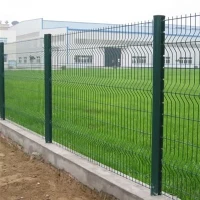


Airports are bustling hubs of activity, handling thousands of passengers daily. With such a high volume of foot traffic, managing the flow of pedestrians is crucial for ensuring safety, efficiency, and a smooth travel experience. One question that often arises is whether airport fences can be used to control the flow of pedestrians. As an airport fence supplier, I have a unique perspective on this issue and would like to explore it in detail.
The Role of Airport Fences
Airport fences serve multiple purposes beyond just marking the boundary of the airport. They are designed to enhance security, prevent unauthorized access, and protect passengers and airport property. In addition to these security functions, airport fences can also play a significant role in controlling the flow of pedestrians.
By strategically placing fences, airport authorities can guide passengers towards specific areas, such as check - in counters, security checkpoints, and boarding gates. This helps in creating a more organized and efficient movement of people within the airport premises. For example, fences can be used to create queues at security checkpoints, ensuring that passengers wait in an orderly manner and reducing congestion.
Advantages of Using Airport Fences for Pedestrian Flow Control
- Enhanced Safety: Fences can prevent pedestrians from wandering into restricted areas, such as runways or maintenance zones, which are extremely dangerous. By keeping passengers within designated pathways, the risk of accidents and collisions is significantly reduced.
- Efficient Traffic Management: With the help of fences, airport operators can direct the flow of pedestrians in a way that minimizes bottlenecks and congestion. This leads to a more efficient use of airport space and reduces the time passengers spend waiting in queues.
- Improved Passenger Experience: A well - organized pedestrian flow makes the airport environment more user - friendly. Passengers can easily find their way around, which reduces stress and anxiety associated with air travel.
Types of Airport Fences for Pedestrian Flow Control
- Workshop Isolation Fence: These fences are designed to separate different areas within the airport, such as workshops and public areas. They can be used to create clear boundaries and prevent unauthorized access. You can learn more about Workshop Isolation Fence.
- Highway Wire Mesh Fence: Similar to those used on highways, these fences are sturdy and can withstand high - impact forces. They can be used to create barriers and guide pedestrian traffic along specific routes. Check out Highway Wire Mesh Fence for more details.
- Anti Climb Security Fence: As the name suggests, these fences are designed to prevent unauthorized climbing. They can be used in areas where security is a top priority, such as around restricted areas or high - value facilities. For more information on Anti Climb Security Fence.
Considerations for Using Airport Fences for Pedestrian Flow Control
- Design and Aesthetics: The fences should be designed in a way that is visually appealing and blends in with the overall airport architecture. This not only enhances the airport's appearance but also creates a more pleasant environment for passengers.
- Accessibility: While controlling the flow of pedestrians, it is important to ensure that the fences do not impede the movement of passengers with disabilities. Ramps, wide gates, and other accessibility features should be incorporated into the fence design.
- Maintenance: Regular maintenance of the fences is essential to ensure their effectiveness. This includes checking for damage, corrosion, and proper functioning of gates and barriers.
Case Studies
Let's take a look at some real - world examples of how airport fences have been used to control pedestrian flow.
In a large international airport, the installation of anti - climb security fences around the perimeter of the airport not only enhanced security but also helped in guiding passengers towards the main entrances. By creating clear pathways, the airport was able to reduce congestion at the entrances and improve the overall flow of people.


Another airport used highway wire mesh fences to create separate lanes for arriving and departing passengers. This simple yet effective measure significantly reduced the confusion and congestion in the terminal area, leading to a more efficient and stress - free travel experience for passengers.
Challenges and Limitations
While airport fences can be effective in controlling pedestrian flow, there are also some challenges and limitations.
- Cost: The installation and maintenance of airport fences can be expensive. This includes the cost of materials, labor, and ongoing upkeep.
- Flexibility: In some cases, the fixed nature of fences may limit the ability to adapt to changing passenger flow patterns. For example, during peak travel seasons, the existing fence layout may not be sufficient to handle the increased volume of passengers.
- Perception: Some passengers may view fences as a restrictive measure, which could potentially have a negative impact on their overall airport experience.
Conclusion
In conclusion, airport fences can be a valuable tool for controlling the flow of pedestrians. They offer numerous benefits, including enhanced safety, efficient traffic management, and an improved passenger experience. However, it is important to carefully consider the design, accessibility, and maintenance of the fences to ensure their effectiveness.
As an airport fence supplier, we understand the unique requirements of airports and can provide customized solutions to meet your specific needs. Whether you need workshop isolation fences, highway wire mesh fences, or anti - climb security fences, we have the expertise and products to help you manage pedestrian flow effectively.
If you are interested in learning more about our airport fence solutions or would like to discuss a potential project, we encourage you to contact us for a detailed consultation. Our team of experts is ready to assist you in finding the best fencing options for your airport.
References
- Airport Design and Planning: Principles and Practices, by John W. Hansen
- Security and Safety in Airports, by International Civil Aviation Organization (ICAO)
- Pedestrian Flow Modeling and Simulation, by various research papers in transportation engineering journals