


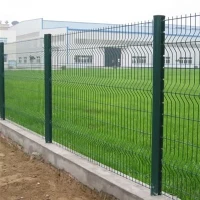


Hey there! As a supplier of Double Wire Fence, I often get asked about the standard mesh size of double wire fence. So, I thought I'd take a moment to share some insights on this topic.
First off, let's talk about what double wire fence is. Double wire fence, as the name suggests, consists of two parallel wires that are connected at regular intervals. It's a popular choice for various applications, including agricultural, residential, and commercial fencing. You can learn more about it on our Double Wire Fence page.
Now, the standard mesh size of double wire fence can vary depending on the specific use and requirements. In general, the mesh size refers to the distance between the wires, which is measured in inches or millimeters.
Common Mesh Sizes
For agricultural fencing, a common mesh size is around 4 inches by 4 inches (102mm by 102mm). This size is great for keeping livestock in and predators out. It provides a good balance between strength and visibility. For example, if you're fencing in a pasture for horses or cows, this mesh size will prevent them from getting through while still allowing you to see inside the enclosure.
In residential settings, a smaller mesh size might be preferred. A 2 - inch by 2 - inch (51mm by 51mm) mesh is often used for decorative or security purposes. It can be used around a garden to keep out small animals or as a boundary fence for a property. This smaller mesh gives a more refined look and provides better security.
For commercial applications, such as industrial sites or construction areas, a larger mesh size like 6 inches by 6 inches (152mm by 152mm) might be suitable. This size is strong enough to withstand rough handling and provides a clear view of the area. It's often used for temporary fencing during construction projects.
Factors Affecting Mesh Size
There are several factors that can influence the choice of mesh size.
Purpose: As mentioned above, the purpose of the fence plays a big role. If you're using the fence to contain small animals, a smaller mesh size is necessary. On the other hand, if you're just marking a boundary, a larger mesh size might be sufficient.
Location: The location of the fence also matters. If the fence is in an area with high wind or heavy snow, a smaller mesh size can help prevent damage. A smaller mesh provides more support and is less likely to be blown or pushed down.
Budget: Mesh size can also affect the cost of the fence. Generally, smaller mesh sizes require more material, which can increase the cost. So, you need to balance your budget with your requirements.


Comparing with Other Fence Types
It's also interesting to compare the double wire fence with other types of fences. For instance, the Framed Wire Mesh Fence has a different structure. It has a frame around the wire mesh, which gives it more stability. The mesh size of framed wire mesh fence can also vary, but it often has a similar range to double wire fence.
Another type is the Y Post Fence. This fence uses Y - shaped posts, which provide additional support. The mesh size for Y post fence can be adjusted according to the specific needs, just like double wire fence.
How to Choose the Right Mesh Size
When choosing the right mesh size for your double wire fence, here are some steps you can follow:
- Determine the Purpose: Clearly define what you want the fence to do. Is it for security, containment, or decoration?
- Consider the Location: Think about the environmental conditions in the area where the fence will be installed.
- Set a Budget: Decide how much you're willing to spend on the fence.
- Consult an Expert: If you're still unsure, it's a good idea to talk to a professional who can give you more personalized advice.
Conclusion
In conclusion, the standard mesh size of double wire fence can vary based on different factors. Whether you're looking for a fence for your farm, home, or business, understanding the mesh size is crucial. It can affect the functionality, appearance, and cost of the fence.
If you're interested in purchasing double wire fence or have any questions about the mesh size or other aspects of the fence, feel free to reach out. We're here to help you find the perfect solution for your fencing needs.
References
- Fence Industry Handbook, various editions
- Agricultural Fencing Guidelines, multiple sources