


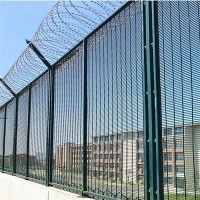
As a supplier of Peach Post Fences, ensuring the stability of these fences is not only a technical challenge but also a commitment to our customers. In this blog, I will share some key strategies and considerations that we, as a professional supplier, use to guarantee the stability of Peach Post Fences.
Understanding the Basics of Peach Post Fence Stability
Before delving into the methods of ensuring stability, it is essential to understand what factors can affect the stability of a Peach Post Fence. The main elements include the quality of materials, the installation process, the environmental conditions, and the design of the fence itself.
The quality of materials is the foundation of a stable fence. The posts, wires, and connectors should be made of high - strength and durable materials. For example, using galvanized steel for posts can resist corrosion, which is crucial for long - term stability, especially in outdoor environments. The wires should have sufficient tensile strength to withstand external forces such as wind, animals, or accidental impacts.
The installation process is equally important. Incorrect installation can lead to a weak and unstable fence. Proper post spacing, depth of post burial, and tensioning of the wires are all critical factors. For instance, if the posts are not buried deep enough, they may easily tilt or even fall over, especially in areas with high winds or soft soil.
Environmental conditions also play a significant role. Areas with high rainfall, strong winds, or extreme temperature variations require special considerations. For example, in regions with heavy snowfall, the fence needs to be able to withstand the weight of the snow without buckling.
Selecting the Right Materials for Stability
As a supplier, we carefully select the materials for our Peach Post Fences. For the posts, we often choose high - quality steel or treated wood. Steel posts are known for their strength and durability. They can withstand significant lateral forces and are resistant to rot and insect damage. Treated wood, on the other hand, is a more natural option. When properly treated, it can also provide good stability and a rustic look.
The wires used in the fence are another crucial component. We offer different types of wires, including high - tensile steel wires. These wires have a high breaking strength, which helps to keep the fence taut and stable. Additionally, we provide options like Double Wire Fence, which consists of two layers of wires. This design not only enhances the security of the fence but also improves its stability by distributing the forces more evenly.
Connectors are often overlooked but are essential for holding the fence together. We use corrosion - resistant connectors, such as galvanized or stainless - steel clips and brackets. These connectors ensure that the wires are firmly attached to the posts, preventing them from coming loose over time.
Proper Installation Techniques
Correct installation is vital for the stability of Peach Post Fences. The first step is to determine the appropriate post spacing. Generally, the spacing between posts should be based on the type of wire used and the expected load on the fence. For most Peach Post Fences, a spacing of 6 - 8 feet between posts is recommended. This spacing provides a good balance between stability and cost - effectiveness.
When installing the posts, it is crucial to dig holes of the correct depth. In most cases, the posts should be buried at least one - third of their total length in the ground. For example, if the posts are 6 feet tall, they should be buried at least 2 feet deep. This depth helps to anchor the posts firmly and prevents them from leaning or toppling.
After the posts are in place, the wires need to be properly tensioned. Tensioning the wires evenly ensures that the fence is straight and stable. Using a wire tensioner, we can achieve the right level of tension. It is important to note that over - tensioning the wires can cause them to break, while under - tensioning can result in a loose and unstable fence.
Design Considerations for Stability
The design of the Peach Post Fence can significantly impact its stability. We offer different designs, such as the Framed Wire Mesh Fence. This type of fence has a frame around the wire mesh, which provides additional support and stability. The frame helps to distribute the forces acting on the fence more evenly, reducing the stress on individual wires and posts.
Another design option is the Y Post Fence. The Y - shaped posts in this fence design offer better lateral support compared to traditional straight posts. The two arms of the Y - post can be buried at an angle, which increases the stability of the fence, especially in areas with high winds or uneven terrain.
Addressing Environmental Challenges
As mentioned earlier, environmental conditions can have a significant impact on the stability of Peach Post Fences. In areas with high rainfall, proper drainage is essential. We can install the fence on a slightly elevated base or use gravel beds around the posts to ensure that water does not accumulate around the posts, which could lead to soil erosion and post instability.


In regions with strong winds, we can recommend additional bracing or reinforcement. For example, adding diagonal braces between the posts can help to resist the lateral forces exerted by the wind. In areas with extreme temperature variations, we use materials that can expand and contract without losing their structural integrity.
Maintenance for Long - Term Stability
Regular maintenance is crucial for ensuring the long - term stability of Peach Post Fences. We recommend inspecting the fence periodically for any signs of damage, such as loose wires, bent posts, or corroded connectors. If any issues are found, they should be addressed promptly.
For example, if a wire is broken, it should be replaced immediately to prevent further damage to the fence. If a post is leaning, it may need to be re - set or braced. Applying a protective coating to the posts and wires can also help to prevent corrosion and extend the lifespan of the fence.
Conclusion
Ensuring the stability of Peach Post Fences is a multi - faceted process that involves careful material selection, proper installation, appropriate design, addressing environmental challenges, and regular maintenance. As a supplier, we are committed to providing our customers with high - quality fences that are not only stable but also durable and aesthetically pleasing.
If you are interested in purchasing Peach Post Fences or have any questions about their stability and installation, please feel free to contact us. We are here to help you make the right choice for your fencing needs.
References
- Fence Industry Handbook: A comprehensive guide to fence design, materials, and installation.
- Engineering Principles for Fence Structures: A technical resource on the structural analysis of fences.