


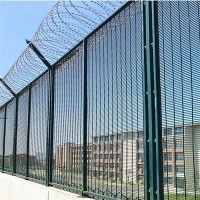
Hey there! As a safety fence supplier, I often get asked if safety fences can be used in agricultural areas. Well, the short answer is yes, and in this blog, I'll dive into why and how safety fences are a great fit for farms and other agricultural settings.
Why Use Safety Fences in Agricultural Areas?
1. Protecting Crops
One of the primary reasons to use safety fences in agricultural areas is to protect crops. Animals, whether they're wild or domestic, can cause significant damage to crops. Deer, rabbits, and even birds can munch on your precious plants, reducing your yield. A well - installed safety fence can act as a barrier, keeping these unwanted visitors out. For example, a Highway Wire Mesh Fence can be a great option. Its strong mesh design can prevent small animals from squeezing through and larger ones from jumping over.
2. Containing Livestock
If you have livestock, such as cows, sheep, or goats, safety fences are essential for keeping them in a designated area. This not only prevents them from wandering off and getting lost but also protects them from potential dangers like traffic or predators. A Prison Perimeter Security Fence might seem like an overkill, but its high - strength construction can be very effective in containing large and strong animals. It's built to withstand pressure and keep your livestock safely within the farm boundaries.
3. Safety of Workers and Visitors
Agricultural areas can be dangerous places, with machinery, sharp tools, and uneven terrain. Safety fences can mark off hazardous areas, such as areas near large machinery or deep pits. This helps prevent accidents and keeps workers and visitors safe. An Industrial Safety Fencing can be used to create clear boundaries and protect people from potential harm.
Types of Safety Fences Suitable for Agricultural Areas
1. Wire Mesh Fences
Wire mesh fences are a popular choice for agricultural areas. They are relatively inexpensive, easy to install, and can be customized to fit different needs. The mesh size can be adjusted depending on the type of animals you want to keep out or in. For example, a smaller mesh size is better for keeping out small rodents, while a larger mesh can be used for larger animals.
2. Electric Fences
Electric fences are another option, especially for containing livestock. They deliver a mild electric shock to animals that come into contact with them, which can be an effective deterrent. Electric fences are often used in combination with other types of fences for added security.
3. Wooden Fences
Wooden fences can add a rustic look to your agricultural area. They are sturdy and can be painted or stained to match the surrounding environment. However, they require more maintenance compared to wire mesh or electric fences.


Installation and Maintenance
1. Installation
Proper installation is crucial for the effectiveness of a safety fence. First, you need to measure the area where you want to install the fence. Make sure to mark the corners and boundaries accurately. Dig post holes at regular intervals, usually every 6 - 8 feet, depending on the type of fence. Place the posts in the holes and fill them with concrete to ensure stability. Then, attach the fencing material to the posts using appropriate fasteners.
2. Maintenance
Regular maintenance is necessary to keep your safety fence in good condition. Check for any signs of damage, such as broken wires or loose posts. Repair or replace any damaged parts as soon as possible. If you have an electric fence, make sure to check the power supply regularly to ensure it's working properly.
Cost Considerations
The cost of a safety fence depends on several factors, such as the type of fence, the size of the area to be fenced, and the quality of the materials. Wire mesh fences are generally the most affordable option, while wooden and electric fences can be more expensive. However, investing in a high - quality fence can save you money in the long run by reducing crop damage and preventing livestock loss.
Conclusion
In conclusion, safety fences are a valuable addition to agricultural areas. They offer protection for crops, livestock, and people, and can enhance the overall safety and productivity of your farm. Whether you choose a wire mesh fence, an electric fence, or a wooden fence, make sure to select the right type for your specific needs.
If you're interested in purchasing a safety fence for your agricultural area, I'd love to have a chat with you. We can discuss your requirements and find the best solution for your farm. Don't hesitate to reach out and start the conversation about your safety fence needs.
References
- Agricultural Fencing Handbook, various agricultural extension services
- Fence Installation Guides from major fence manufacturers