


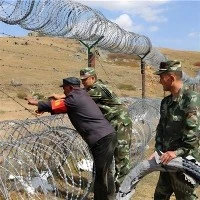


As a supplier of Railway Wire Fences, I've witnessed firsthand the importance of maintaining these structures in top - notch condition. Railway wire fences serve as a crucial safety measure, protecting both the railway infrastructure and the public. In this blog, I'll discuss the signs of damage in a railway wire fence, which can help in timely maintenance and replacement.
Rust and Corrosion
One of the most common signs of damage in a railway wire fence is rust and corrosion. Over time, exposure to the elements, especially in areas with high humidity or near the coast, can cause the metal wires to rust. Rust weakens the structure of the fence, making it more susceptible to breakage. You can easily spot rust as it appears as a reddish - brown discoloration on the wires.
When rust forms, it eats away at the metal, reducing its thickness and strength. Even a small amount of rust can be a precursor to more significant problems. If left untreated, the rust can spread, causing large sections of the fence to become brittle and eventually break. To prevent rust, proper coating and galvanization during the manufacturing process are essential. However, once rust starts to appear, it's important to address it immediately. This may involve removing the rust with a wire brush and applying a rust - resistant paint or coating.
Bent or Broken Wires
Bent or broken wires are another clear sign of damage. These can occur due to various reasons, such as accidental impacts from vehicles, animals, or even extreme weather conditions like strong winds or heavy snow. A bent wire can compromise the integrity of the entire fence section. It may create gaps that allow unauthorized access or pose a risk to passing trains.
Broken wires are even more serious. They can completely disrupt the functionality of the fence. If a wire breaks, it's important to repair or replace it as soon as possible. In some cases, a single broken wire can lead to a domino effect, causing other wires to loosen or break. Regular inspections can help detect bent or broken wires early, allowing for prompt repairs.
Loose Fittings
The fittings that hold the wire fence together, such as clips, bolts, and brackets, can also become loose over time. Vibration from passing trains, temperature changes, and general wear and tear can cause these fittings to loosen. Loose fittings can lead to the fence becoming unstable. The wires may start to sag or shift, creating gaps in the fence.
Checking the fittings regularly is crucial. Tightening loose bolts and replacing any damaged clips or brackets can prevent further damage to the fence. If the fittings are severely corroded or damaged, they should be replaced entirely.
Vegetation Growth
Vegetation growth around the railway wire fence can also cause damage. Trees, shrubs, and vines can grow into the fence, putting pressure on the wires and causing them to bend or break. Roots can also damage the fence posts, causing them to become unstable.
It's important to keep the area around the fence clear of vegetation. Regularly trimming back plants and removing any overgrown vegetation can prevent this type of damage. In some cases, it may be necessary to use herbicides to control the growth of invasive plants.
Fading or Deterioration of Coating
Many railway wire fences are coated with a protective layer to prevent rust and corrosion. Over time, this coating can fade or deteriorate. Fading of the coating can be a sign that the fence is no longer adequately protected. The exposed metal is then more vulnerable to rust and other forms of damage.
Inspecting the coating regularly can help identify early signs of deterioration. If the coating is starting to fade or peel, it may be necessary to re - apply a new coating. This can extend the lifespan of the fence and prevent further damage.
Impact Marks
Impact marks on the fence can indicate that it has been hit by an object. This could be a vehicle, a large animal, or even a thrown object. Impact marks can cause dents, bends, or breaks in the wires.
If you notice impact marks on the fence, it's important to assess the extent of the damage. Minor impact marks may only require some straightening and minor repairs. However, more severe impact marks may mean that a section of the fence needs to be replaced.
Sagging or Leaning Fence
A sagging or leaning fence is a clear sign of structural damage. This can be caused by a variety of factors, such as loose fittings, broken wires, or unstable fence posts. A sagging fence not only looks unappealing but also poses a safety risk.
To address a sagging or leaning fence, it's necessary to identify the root cause. If the problem is with the fittings, they should be tightened or replaced. If the fence posts are unstable, they may need to be re - set or replaced.
Missing Sections
In some cases, entire sections of the railway wire fence may go missing. This could be due to vandalism, severe weather, or accidental damage. Missing sections of the fence create significant safety risks, as they allow unauthorized access to the railway area.
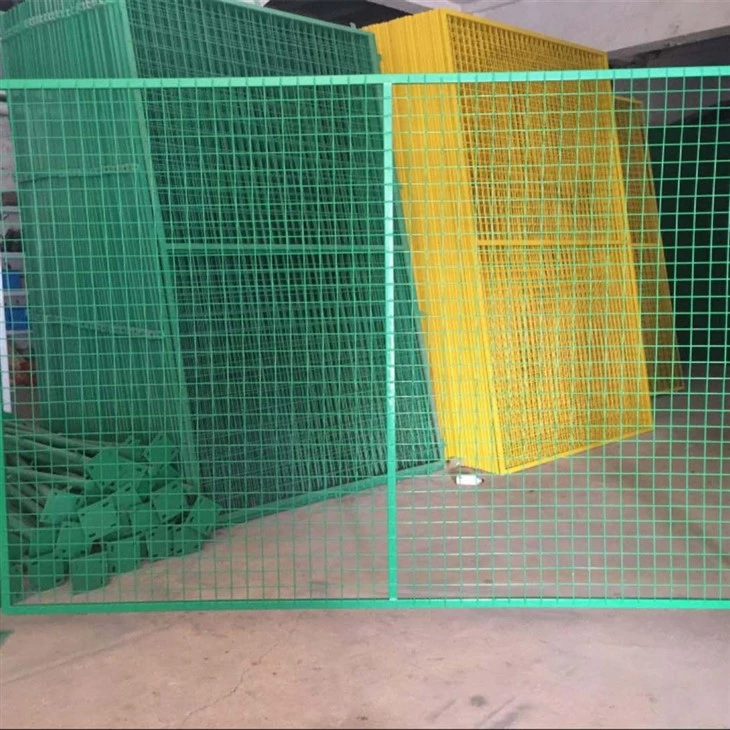
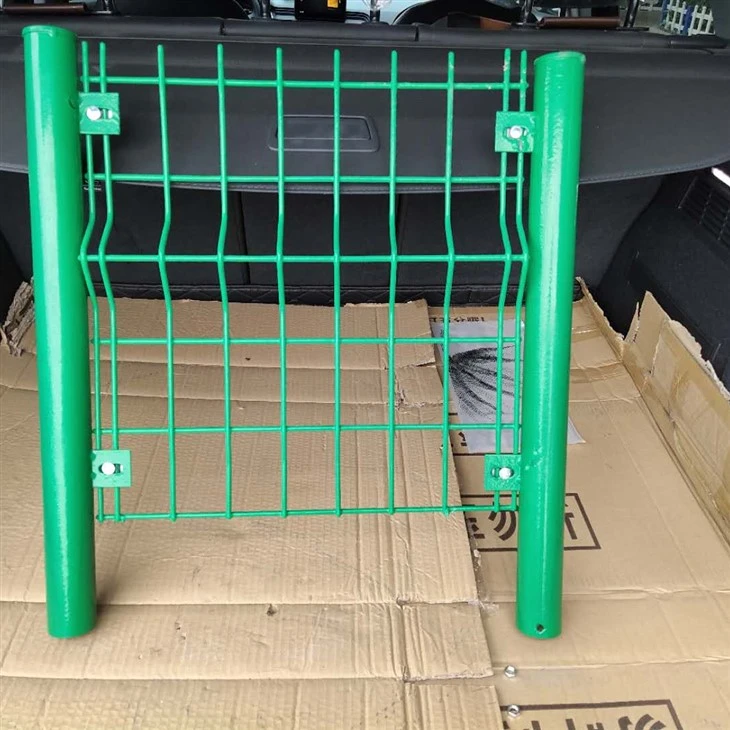
When a section of the fence is missing, it should be replaced immediately. This may involve purchasing a new section of the fence from a reliable supplier like us. We offer a variety of high - quality railway wire fences, including the 358 Security Fence, Highway Wire Mesh Fence, and Workshop Isolation Fence.
Conclusion
In conclusion, being aware of the signs of damage in a railway wire fence is crucial for maintaining its safety and functionality. Regular inspections can help detect these signs early, allowing for timely repairs and replacements. As a railway wire fence supplier, we are committed to providing high - quality products and helping our customers ensure the integrity of their fences.
If you are in need of a new railway wire fence or have any questions about fence maintenance, don't hesitate to contact us. We are here to assist you with all your fencing needs and look forward to discussing your requirements.
References
- "Handbook of Railway Engineering" - This comprehensive book provides in - depth knowledge about railway infrastructure, including fencing.
- "Structural Integrity of Metal Fences" - A research paper that focuses on the factors affecting the durability and damage of metal fences.
- Industry standards and guidelines for railway fencing issued by relevant authorities.