


In the modern industrial landscape, the issue of air pollution has become a pressing concern. High levels of air pollution can have detrimental effects on both human health and the environment. As a supplier of Railway Wire Fence, I often receive inquiries about the suitability of our products in areas with high air pollution. In this blog post, I will explore whether a railway wire fence can be effectively used in such areas, considering various factors related to air pollution and the characteristics of the fence.
Understanding Air Pollution and Its Impact
Air pollution is a complex mixture of harmful substances, including particulate matter (PM), sulfur dioxide (SO₂), nitrogen oxides (NOₓ), and volatile organic compounds (VOCs). These pollutants can originate from various sources, such as industrial emissions, vehicle exhaust, and power generation. High levels of air pollution can lead to a range of health problems, including respiratory diseases, cardiovascular issues, and even cancer.
In addition to its impact on human health, air pollution can also damage infrastructure and materials. Pollutants can corrode metals, degrade plastics, and cause discoloration and deterioration of surfaces. Therefore, when considering the use of a railway wire fence in an area with high air pollution, it is essential to assess the potential effects of the pollutants on the fence material.
Characteristics of Railway Wire Fences
Railway wire fences are typically made of galvanized steel wire or other metal alloys. Galvanization is a process of coating the steel with a layer of zinc to protect it from corrosion. This makes the fence more resistant to rust and degradation, even in harsh environments.

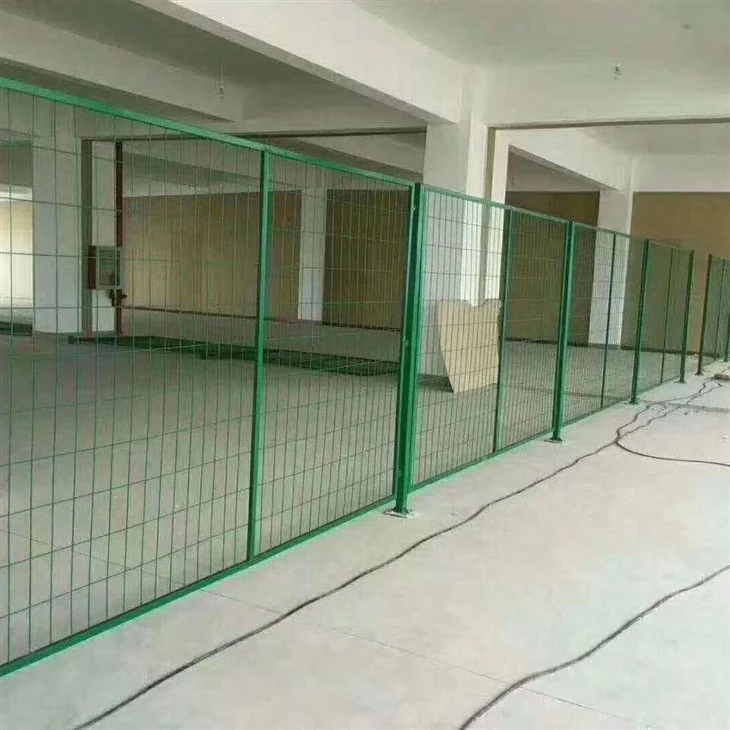
The design of railway wire fences also plays a crucial role in their performance. They are usually constructed with a high-tensile wire mesh that provides strength and durability. The mesh is designed to prevent unauthorized access and protect the railway tracks from intrusion.
Suitability of Railway Wire Fences in High-Pollution Areas
When it comes to using a railway wire fence in an area with high air pollution, several factors need to be considered:
Corrosion Resistance
As mentioned earlier, galvanized steel wire is commonly used in railway wire fences due to its corrosion resistance. The zinc coating acts as a sacrificial layer, protecting the underlying steel from rusting. However, in areas with high levels of sulfur dioxide or other corrosive pollutants, the zinc coating may gradually wear off over time. To enhance the corrosion resistance of the fence, additional protective coatings or treatments can be applied.
Durability
High air pollution can also affect the durability of the fence. Pollutants can cause the wire mesh to become brittle and prone to breakage. To ensure the long-term durability of the fence, it is important to choose a high-quality material and design that can withstand the harsh environmental conditions.
Maintenance
Regular maintenance is essential to keep the railway wire fence in good condition, especially in areas with high air pollution. This includes inspecting the fence for signs of corrosion, damage, or wear and tear, and taking appropriate measures to repair or replace any damaged parts.
Advantages of Using Railway Wire Fences in High-Pollution Areas
Despite the challenges posed by high air pollution, there are several advantages to using railway wire fences in such areas:
Safety
Railway wire fences are primarily designed to provide safety and security. They help to prevent unauthorized access to the railway tracks, reducing the risk of accidents and trespassing. In areas with high air pollution, where visibility may be reduced, a well-maintained fence can serve as a clear boundary and enhance safety.
Environmental Protection
Railway wire fences can also play a role in environmental protection. They can help to contain pollutants and prevent them from spreading to other areas. For example, in industrial areas, the fence can act as a barrier to prevent the release of dust and other pollutants into the surrounding environment.
Cost-Effectiveness
Compared to other types of fencing, railway wire fences are relatively cost-effective. They are easy to install and require minimal maintenance, making them a practical choice for areas with high air pollution.
Other Types of Fencing for High-Pollution Areas
In addition to railway wire fences, there are other types of fencing that may be suitable for areas with high air pollution. For example, Industrial Safety Fencing is designed to provide a high level of security and protection in industrial settings. It is typically made of heavy-duty materials and can withstand harsh environmental conditions.
Another option is Workshop Isolation Fence, which is used to separate different areas within a workshop or industrial facility. This type of fence can help to contain pollutants and prevent them from spreading to other parts of the facility.
Conclusion
In conclusion, a railway wire fence can be used in areas with high levels of air pollution, but it is important to consider the potential effects of the pollutants on the fence material and take appropriate measures to ensure its long-term performance. By choosing a high-quality material, applying additional protective coatings, and performing regular maintenance, the fence can provide effective safety and security in these challenging environments.
If you are interested in purchasing a railway wire fence or other types of fencing for your project, please feel free to contact us. Our team of experts can provide you with detailed information and guidance on the best fencing solutions for your specific needs.
References
- Smith, J. (2018). The Impact of Air Pollution on Infrastructure. Journal of Environmental Engineering, 144(6), 04018023.
- Johnson, A. (2019). Corrosion Resistance of Galvanized Steel in Polluted Environments. Materials Science and Engineering, 762, 109434.
- Brown, C. (2020). Fencing Solutions for High-Pollution Areas. Industrial Safety Magazine, 45(3), 22-27.